In our fast-paced world, it’s easy to get caught up in the hustle and bustle of daily life, often overlooking the simple yet profound practice of gratitude. As a cornerstone of personal development, gratitude has been shown to significantly impact mental, emotional, and even physical well-being. By consciously acknowledging and appreciating the positive aspects of life, we can foster a mindset that promotes growth, resilience, and overall happiness.
Enhancing Mental Well-Being
Research has consistently demonstrated that practising gratitude can improve mental health. A study published in the Journal of Personality and Social Psychology found that individuals who regularly express gratitude report lower levels of depression and anxiety.
Shifting focus from lack to abundance
This is due primarily to the shift in focus that gratitude encourages. Instead of fixating on what is lacking or negative in our lives, gratitude invites us to recognise the abundance that already exists. This shift in perspective can lead to a more optimistic outlook, reducing feelings of helplessness and fostering a sense of empowerment.
Building resilience
Gratitude also plays a crucial role in building resilience. Life is filled with challenges and setbacks, but those who practice gratitude are often better equipped to navigate adversity.
By focusing on what they are thankful for, individuals can cultivate a sense of hope and strength, which can be invaluable during tough times. This resilience not only helps in coping with stress but also encourages a proactive approach to problem-solving, allowing you to bounce back more effectively when the going gets tough.
Strengthening relationships
Another significant impact of practicing gratitude is its ability to enhance relationships. Expressing appreciation for others fosters connection and belonging. When we acknowledge the contributions of others, we strengthen our bonds and create a positive feedback loop.
This can lead to deeper, more meaningful relationships. Everyone wants to feel valued right? Moreover, gratitude can help resolve conflicts and misunderstandings, as it encourages empathy and understanding.
Boosting Physical Health
Interestingly, the benefits of gratitude extend beyond mental and emotional well-being; they actually impact your physical health. Studies have shown that individuals who practice gratitude tend to engage in healthier behaviours, such as regular exercise and better sleep patterns. This is likely due to the positive mindset that gratitude fosters, which can motivate individuals to be proactive in their self-care. Additionally, gratitude has been linked to lower blood pressure and improved immune function, highlighting its holistic benefits. It’s hard to believe that just by saying thanks you are adding years to your life, go figure!
Practical ways to cultivate gratitude
Incorporating gratitude into your daily routine doesn’t have to be complicated. Here are a few practical strategies you can hook into:
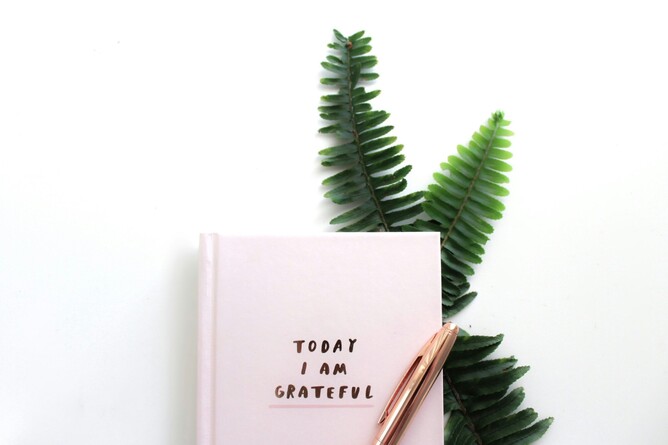
Gratitude Journaling: Set aside a few minutes each day to write down three things you are grateful for. This simple practice can help shift your focus and reinforce positive thinking. Remember, it doesn’t need to be a big thing. It may be as uncomplicated as offering gratitude for the lovely cup of tea you are drinking or finding the perfect carpark.
Express Appreciation: Take the time to express your gratitude to others, whether through a handwritten note, a phone call, or a simple “thank you.” This not only uplifts others but also enhances your sense of well-being.
Mindfulness Practices: Incorporate mindfulness techniques that focus on gratitude, such as meditation or visualisation exercises. These practices slow you down and deepen your appreciation for the present moment.
Gratitude Rituals: Create gratitude rituals, such as sharing what you are thankful for during family meals, at the start of meetings, or even before bedtime with your children. These rituals can help instil a sense of appreciation and positivity in your daily life.
Final thoughts: The transformative power of gratitude
In conclusion, gratitude is not just a practice, but a powerful tool for personal development. By fostering a mindset of appreciation, we can enhance our mental and emotional well-being, build resilience, strengthen relationships, and even improve our physical health. As you navigate your life journey, do not underestimate the transformative power of gratitude. Embrace it as a guiding principle, and see for yourself how gratitude positively impacts your life.


